Material starting points

Three interior textile routes

These categories frame the first sample discussion. Construction, color, finish and evidence remain specific to the selected reference and production lot.

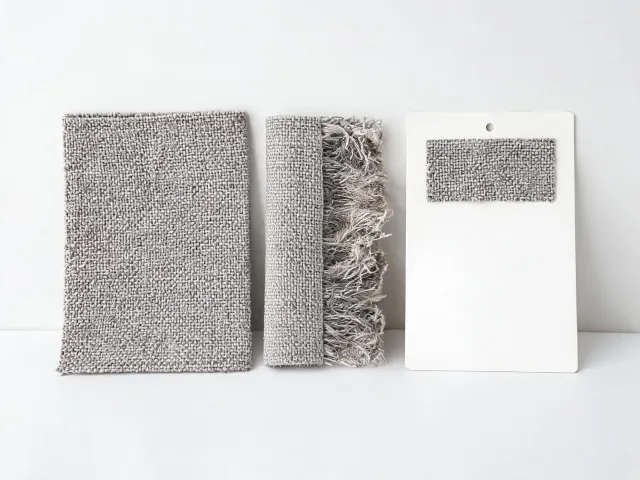
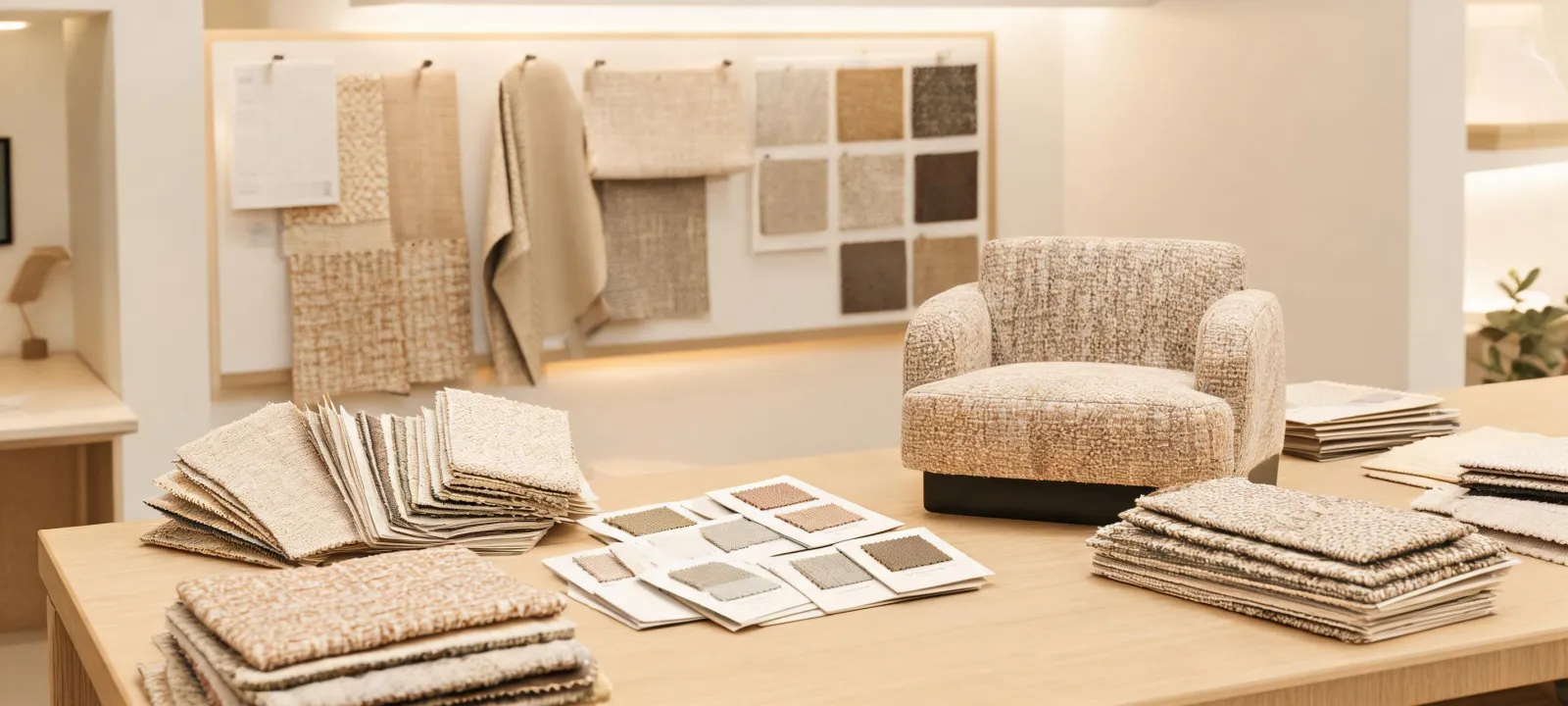
Woven upholstery fabric with abrasion specimen

Upholstery textiles

Compare weave, pile direction, GSM, usable width, abrasion method, seam response and repeated-cleaning conditions.

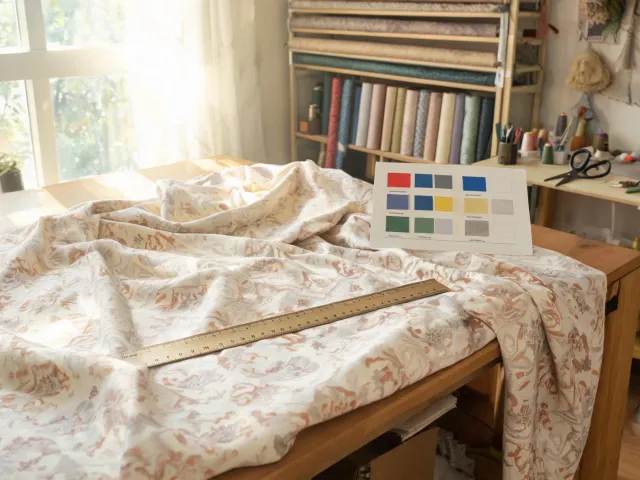
Drapery textile with fold and colorfastness reference

Drapery constructions

Define width, repeat, drape, opacity, dimensional stability, light exposure and the specified care cycle.

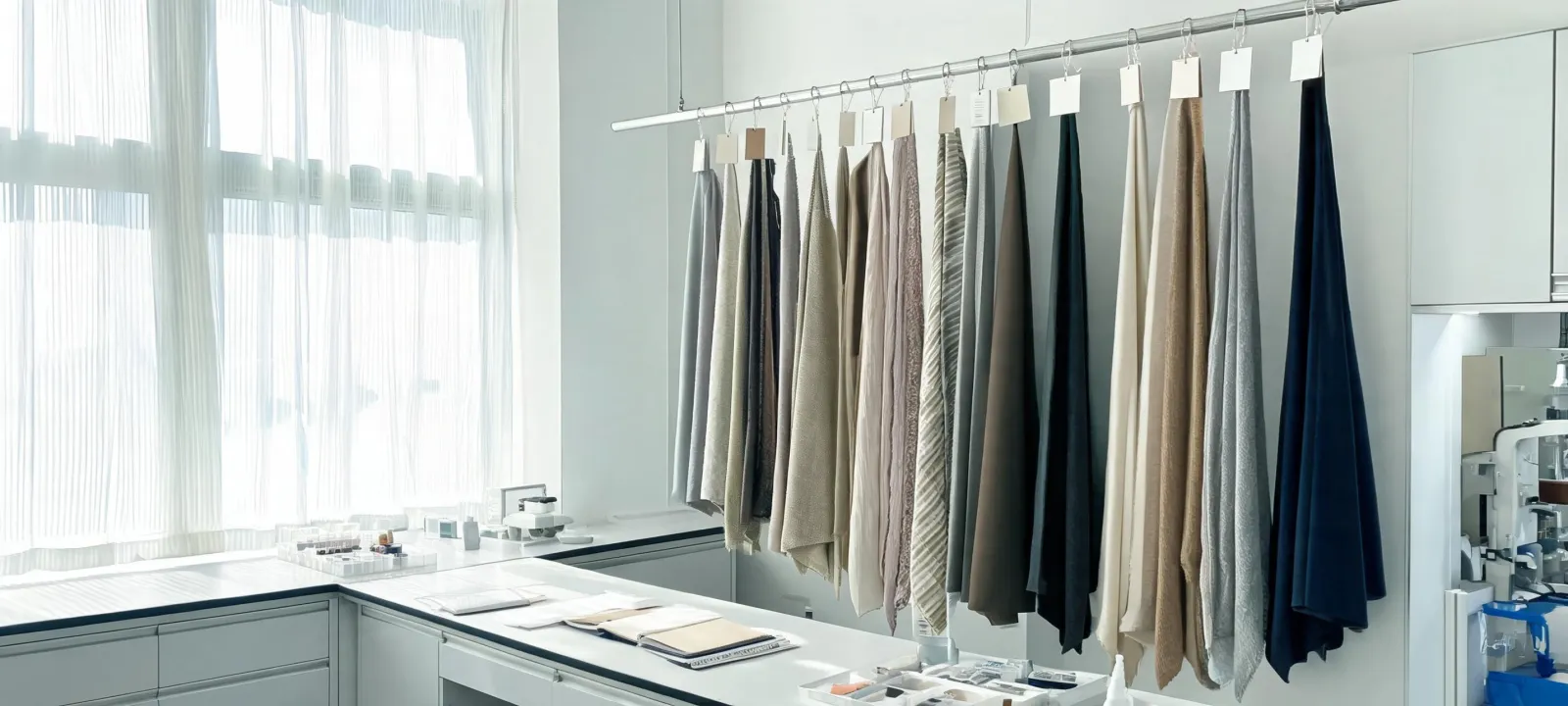
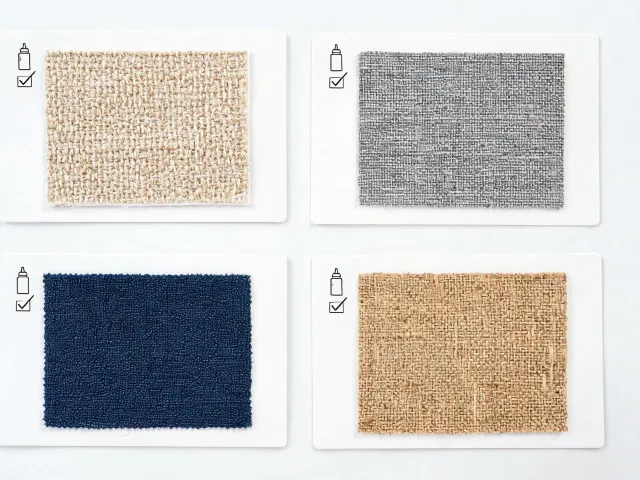
Decorative textile and wall panel sample set

Decorative surfaces

Review backing, mounting route, color continuity, surface durability and compatibility with adjacent materials.

ConstructionFiber, weave, GSM and width
AppearanceShade, repeat and pile direction
Use evidenceNamed method and condition
Lot releaseApproved reference and tolerance
Interior applications

Use conditions determine the review plan

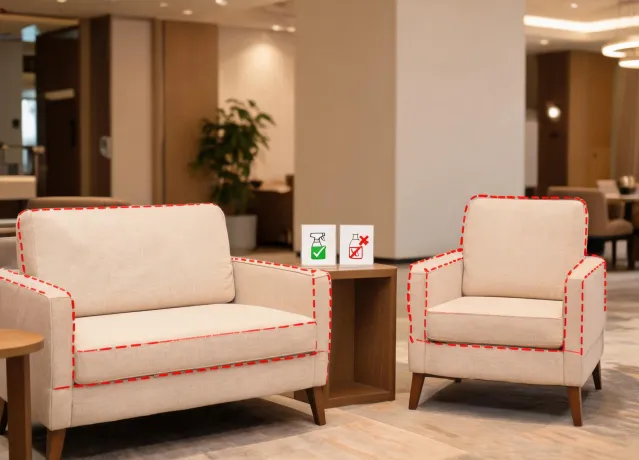
Hospitality lounge upholstery under cleaning review

Hospitality seating

Frequent contact, cleaning agents, seam geometry and replacement cycles shape abrasion and care review.

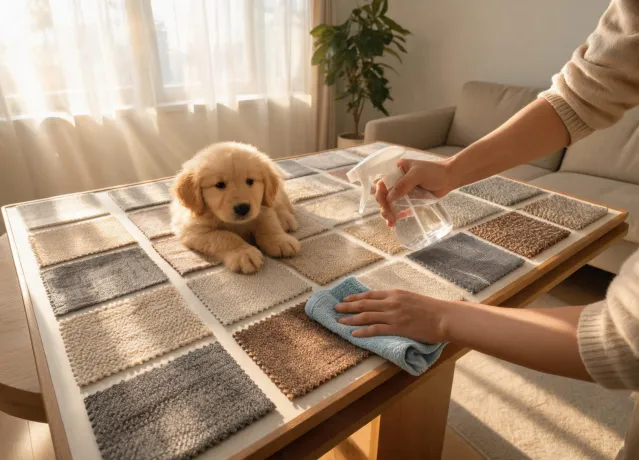
Residential sofa fabric development board

Residential upholstery

Handle, appearance, sunlight, household soils and practical care must be balanced rather than reduced to one performance label.

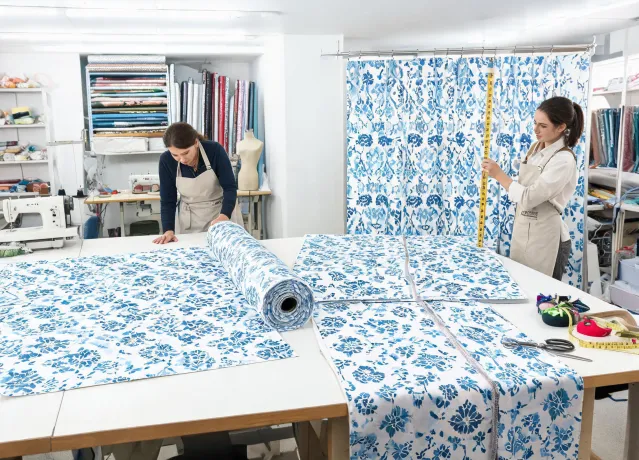
Drapery workroom checking pattern repeat

Drapery workrooms

Usable width, repeat, orientation, cutting yield, seam placement and finished drop belong in the approval record.

Sample request

Define the interior product before selecting the memo

Share the application, construction, color direction, abrasion or colorfastness method, cleaning route, quantity, destination and approval timing.

Enter your first name.
Enter your last name.
Enter a valid email.
Describe the fabric requirement.